Toronto is not a dangerous city overall, but some neighbourhoods report higher levels of certain crimes than others. Areas often discussed in safety conversations include parts of Regent Park, Moss Park, Jane and Finch, Malvern, St. James Town, Weston-Mount Dennis, and Kingston-Galloway. These areas should not be judged by reputation alone. Safety can vary by street, building, time of day, transit access, lighting, and recent neighbourhood investment.
For buyers, renters, and investors, the smartest approach is to compare official crime data, visit the area at different times, review building security, and speak with a local real estate professional before making a decision.
For agents comparing the best real estate brokerage to work for in Toronto, this kind of neighbourhood-level knowledge is also important. Clients expect guidance that goes beyond listings and pricing.
How to Think About Dangerous Areas in Toronto
Searches like “dangerous neighborhoods in Toronto,” “bad areas of Toronto,” or “places to avoid in Toronto” usually come from a practical concern. People want to know where they can live, rent, invest, commute, or walk safely.
That concern is valid.
But neighbourhood safety should be handled carefully. A single label like “bad neighbourhood” can be misleading because it ignores important context:
- Crime varies block by block
- Property crime and violent crime are different issues
- High-density areas naturally report more incidents
- Transit corridors can affect reported crime numbers
- Some communities are actively improving
- Building security can matter as much as neighbourhood reputation
- Public perception often lags behind current data
Toronto Police Service provides open neighbourhood crime data, including reported crime rates per 100,000 population, using population estimates and reported incident categories. The dataset is designed for public awareness, but it should be interpreted carefully because reported crime does not tell the full story of daily neighbourhood life.
That is why this guide focuses on areas buyers and renters should research carefully, not blanket judgments about entire communities.
Methodology: How We Evaluated Higher-Risk Areas

This article considers common real estate safety indicators such as:
- Reported violent crime
- Assaults and robberies
- Break-and-enter incidents
- Auto theft
- Shootings and firearm-related incidents
- Public disorder concerns
- Building density and infrastructure
- Nighttime safety perception
- Revitalization and community investment
- Buyer and renter due diligence needs
A neighbourhood appearing in this guide does not mean every street is unsafe. It means the area has historically appeared in public safety conversations, has reported elevated concerns in certain crime categories, or requires extra due diligence before moving.
1. Regent Park
Regent Park is one of Toronto’s most discussed neighbourhoods because of its long history, public housing roots, and major redevelopment.
For years, Regent Park was associated with poverty, crime, and underinvestment. That reputation still appears in searches around “Regent Park Toronto crime” and “is Regent Park Toronto safe.”
But the current picture is more complex.
Regent Park has undergone one of the city’s most significant revitalization projects, with mixed-income housing, new community spaces, improved streetscapes, parks, and newer residential buildings. This has changed the area substantially.
Still, buyers and renters should look closely at:
- Building security
- Specific intersection and block conditions
- Nighttime activity
- Proximity to shelters or high-traffic corridors
- Recent sales and rental demand
- Condo management quality
- Walkability after dark
Regent Park should not be evaluated only by its past. It should be evaluated building by building and street by street.
2. Moss Park
Moss Park is centrally located and offers strong downtown access, but it also appears frequently in conversations about dangerous areas in Toronto.
The area has a mix of shelters, community services, older housing, public spaces, and downtown foot traffic. That mix can create very different experiences depending on the time of day.
Common concerns include:
- Visible drug use in some areas
- Public disorder around certain blocks
- Theft and break-ins
- Nighttime safety concerns
- Uneven pedestrian comfort
For buyers and renters, Moss Park requires careful in-person review. Visit during the day, after dark, and during typical commute hours. Pay attention to building entrances, parking security, lobby access, and nearby street activity.
For some residents, the location and affordability may outweigh concerns. For others, the environment may not feel comfortable.
3. Jane and Finch
Jane and Finch is often mentioned when people search for “bad neighborhoods in Toronto” or “most dangerous area in Toronto.” The area has a long-standing reputation connected to poverty, youth violence, and underinvestment.
However, reputation alone does not tell the full story.
Jane and Finch is also home to strong community organizations, local businesses, families, schools, and long-term residents who care deeply about the area. There are youth programs, community initiatives, and infrastructure improvements aimed at improving safety and opportunity.
Buyers and renters should evaluate:
- Specific building or street conditions
- Transit access
- Lighting and pedestrian routes
- Proximity to community centres
- Local development activity
- Property type and resale demand
- School and commute priorities
The key is not to dismiss the entire area. The key is to understand which pockets fit your lifestyle and which may require caution.
4. Malvern
Malvern is another area that appears in searches like “is Scarborough dangerous” and “worst neighborhoods in Scarborough.”
The neighbourhood has large residential areas, apartment clusters, schools, parks, and a diverse community. Some parts have faced concerns related to gang activity, auto theft, and violent incidents.
For real estate decisions, Malvern should be studied through a practical lens.
Review:
- Property crime trends
- Parking and vehicle security
- Building management
- Street lighting
- Transit routes
- Nearby schools and amenities
- Recent development or community investment
Malvern can offer affordability compared with more expensive areas, but buyers should not make decisions based only on price. Safety, commute, lifestyle, and long-term resale demand should all be reviewed together.
5. St. James Town
St. James Town is one of the most densely populated communities in the city. Density can affect how safety feels, especially in high-rise environments.
The main concern here is not always the same type of crime associated with other areas. Instead, buyers and renters often evaluate:
- Building maintenance
- Elevator reliability
- Fire safety
- Lobby access
- Overcrowding
- Emergency response complexity
- Tenant turnover
- Package theft and shared-space security
For renters, building quality matters greatly. Two buildings in the same neighbourhood can feel completely different depending on management, security, maintenance, and resident mix.
St. James Town is not a neighbourhood to judge from a headline. It requires property-specific due diligence.
6. Weston-Mount Dennis
Weston-Mount Dennis has seen growing interest because of transit investment and west-end affordability. At the same time, parts of the area have raised concerns around property crime, auto theft, and break-ins.
For buyers and investors, this is an area where trend analysis matters.
Some neighbourhoods with safety concerns may also see long-term upside if infrastructure, transit, housing investment, and community improvements continue.
That does not mean every property is a good opportunity.
Evaluate:
- Auto theft patterns
- Parking setup
- Building security
- Street lighting
- Transit proximity
- Current development activity
- Comparable sales trends
- Rental demand
To understand broader market movement, review current Toronto real estate market trends alongside safety and lifestyle factors.
7. Kingston-Galloway
Kingston-Galloway is sometimes discussed in connection with property crime, affordability, and neighbourhood safety concerns.
Like many large residential areas, the experience can vary widely by street, building type, and proximity to major roads or transit.
Buyers and renters should pay attention to:
- Break-and-enter trends
- Vehicle security
- Building access controls
- Nearby commercial corridors
- Walkability at night
- Local amenities
- Community investment
This is another example where broad labels are less useful than specific local research.
Violent Crime vs Property Crime: Why the Difference Matters

When people ask “how safe is Toronto” or “is Toronto dangerous,” they often combine all crime types into one concern.
That can create confusion.
Violent crime usually includes offences such as assault, robbery, shootings, and homicide.
Property crime includes:
- Break-and-enter
- Auto theft
- Theft from vehicles
- Package theft
- Vandalism
For real estate decisions, the difference matters.
A neighbourhood may have higher property crime but lower random violent crime. Another area may have isolated violent incidents but strong residential stability. A downtown location may show more reported incidents simply because of higher foot traffic, nightlife, shelters, commercial activity, and density.
Buyers should ask:
- What kind of crime is more common?
- Is crime concentrated near specific streets or buildings?
- Is the trend improving or worsening?
- Does the property itself have strong security?
- How does the area feel during the day versus night?
This is more useful than simply asking whether an entire neighbourhood is safe or unsafe.
Is Downtown Toronto Safe?
Downtown Toronto is generally active, walkable, and heavily used by residents, workers, students, and visitors. However, safety varies by location and time of day.
Some downtown pockets may feel less comfortable because of:
- nightlife activity
- public intoxication
- shelter proximity
- visible drug use
- theft from vehicles
- high pedestrian traffic
- limited lighting on certain side streets
If you are considering a downtown condo or rental, focus on micro-location.
Review the exact building, nearby intersections, parking setup, lobby security, concierge presence, elevator access, and walking routes to transit.
Downtown living can be excellent, but the building matters as much as the neighbourhood name.
Safety Checklist for Buyers and Renters

Before choosing a home in an area with higher reported crime, use this checklist.
1. Visit at Different Times
Do not visit only on a sunny afternoon. Visit:
- morning
- evening
- after dark
- weekday
- weekend
The same street can feel different depending on timing.
2. Check Official Crime Data
Use public crime maps and neighbourhood crime data to understand patterns. Look at crime type, not just total numbers.
3. Review Building Security
For condos and apartments, check:
- lobby access
- cameras
- concierge or security presence
- garage access
- package storage
- visitor entry controls
- elevator condition
4. Look at the Street, Not Just the Area
A neighbourhood may have both strong and weak pockets. Walk the nearby blocks before deciding.
5. Ask About Auto Theft and Parking
If you own a vehicle, review:
- garage security
- street parking risks
- lighting
- camera coverage
- recent auto theft reports
6. Compare Lifestyle and Resale Value
Safety matters, but so do:
- schools
- transit
- amenities
- parks
- commute
- future development
- buyer demand
For comparison, explore the best areas to live in Toronto to understand how lifestyle, safety, schools, and accessibility shape neighbourhood choice.
Neighbourhood Revitalization Can Change the Story
Some areas with older safety reputations are actively changing.
Regent Park is the clearest example. Redevelopment, mixed-income housing, public space upgrades, and community programming have changed how many buyers and renters evaluate the area.
Jane and Finch has also seen continued investment in youth programming, public realm improvements, and community-led initiatives.
Revitalization does not erase safety concerns overnight, but it can change long-term buyer perception and property demand.
Investors should be careful here. A neighbourhood with improvement potential is not automatically a good investment. You still need to evaluate:
- current crime data
- infrastructure plans
- housing supply
- rental demand
- resale liquidity
- community services
- affordability trends
If you are also comparing high-end lifestyle areas, review Toronto’s most affluent neighbourhoods to see how pricing, amenities, schools, privacy, and prestige influence buyer decisions.
What a Local Real Estate Advisor Can Help You Understand
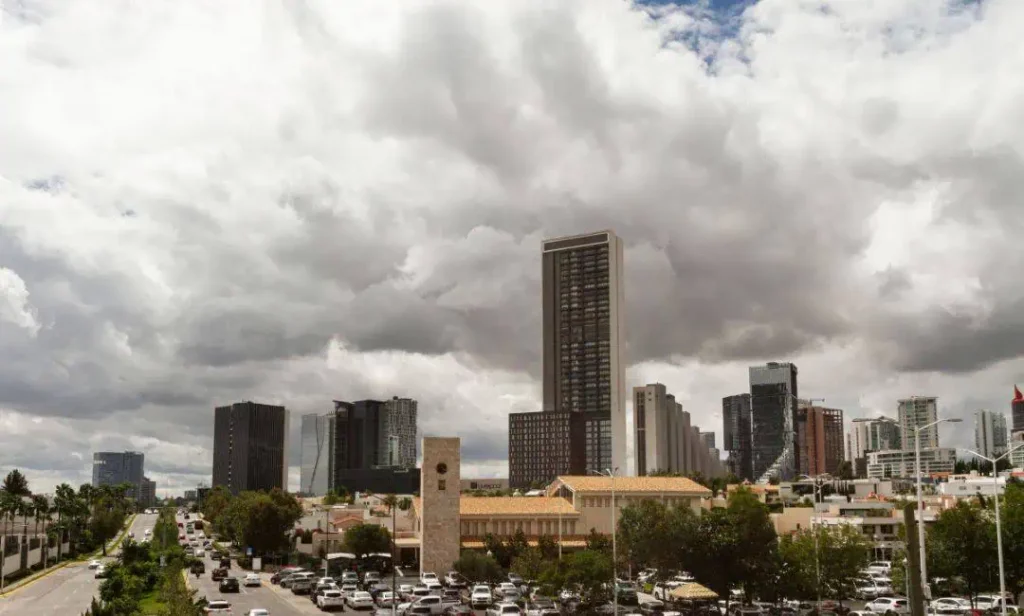
Online crime searches can provide useful starting points, but they do not replace local guidance.
A real estate advisor can help you compare:
- street-by-street differences
- building quality
- condo security
- local resale demand
- school access
- transit convenience
- rental potential
- neighbourhood improvement plans
- buyer perception
- property value trends
A Toronto real estate brokerage with local market experience can help buyers, sellers, and investors evaluate neighbourhoods with context instead of relying only on reputation or headlines.
This is especially important when a neighbourhood is changing. Safety, affordability, development, and buyer demand often move at different speeds.
Final Thoughts: Is Toronto Dangerous?
Toronto is not a dangerous city overall, but it does have areas with higher reported crime and safety concerns.
The smarter question is not simply:
“Which areas should I avoid?”
A better question is:
“Which neighbourhoods require deeper research before I buy, rent, invest, or visit?”
Areas such as Regent Park, Moss Park, Jane and Finch, Malvern, St. James Town, Weston-Mount Dennis, and Kingston-Galloway deserve careful review, but none should be judged by reputation alone.
Safety is local. It changes by street, building, time of day, and crime type.
Before making a decision, review official crime data, visit the area personally, compare nearby communities, and speak with someone who understands Toronto real estate at neighbourhood level.
A careful, data-informed approach will help you choose a location that fits your lifestyle, budget, comfort level, and long-term property goals.